Price checking and taste testing, we find LIDL the best value non branded frozen peas, followed by Aldi and Asda.
Lidl and Aldi were both the same price but Lidl won out on taste. Although Asda were just ahead of Aldi on taste. Asda were slightly dearer and came in third place.
LIDL
ALDI
ASDA
How we calculate the best value? We compare pack size and price, taste test results and arrive at an overall satisfaction rating.
Shop
Pack
Price
Rank
Taste
Value
Aldi
900g
£1.00
1
3
2
Asda
1000g
£1.50
3
2
3
Lidl
900g
£1.00
1
1
1
Morrisons
1000g
£1.45
2
–
–
Sainsbury’s
910g
£1.65
4
3
5
Tesco
1000g
£1.50
3
4
4
Waitrose
725g
£1.20
4
3
5
Research data 3rd June 2024
Morrisons rated less than 5 on taste and therefore dropped out of ratings.
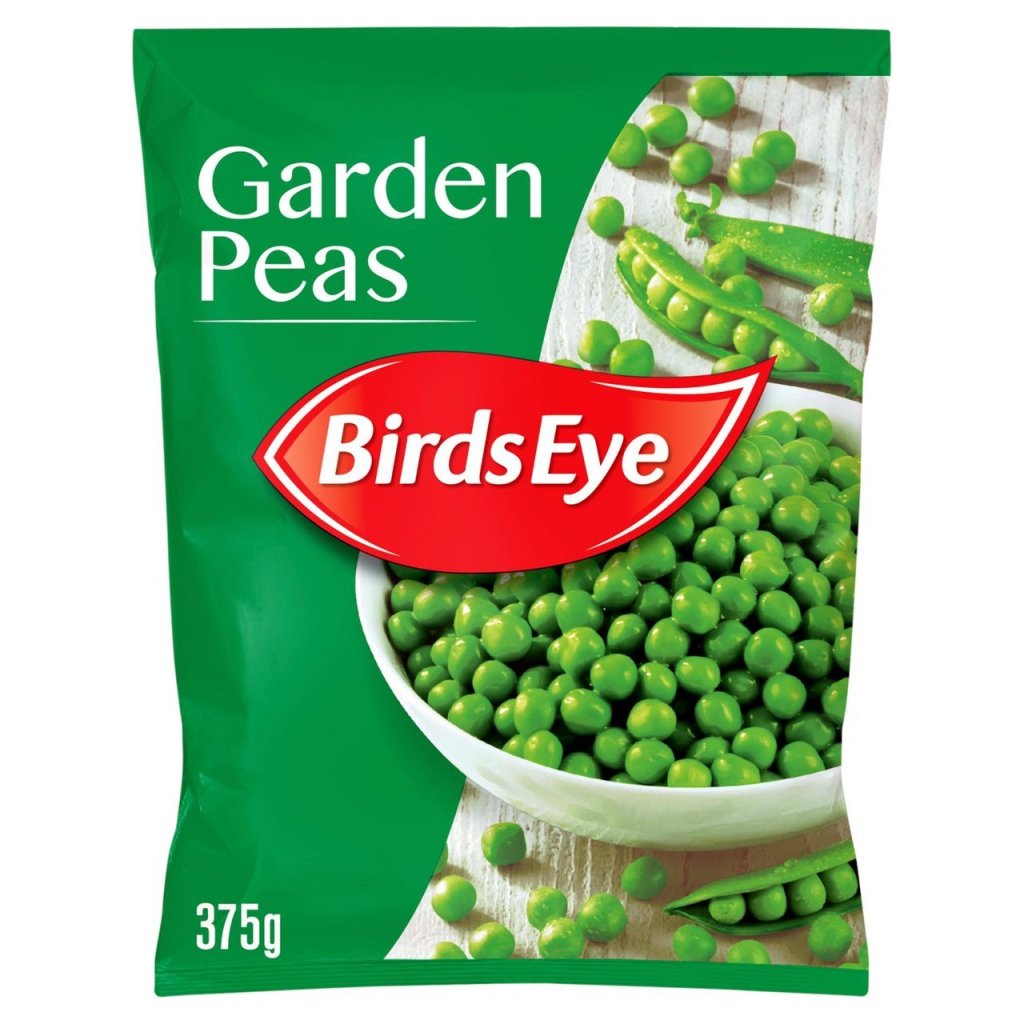
Birds Eye remains the brand leader and if you’re not bothered about price, they are still some of the finest peas, check out their website HERE
🍽 Serves 2 🛒 5 ingredients €4 ⏱ 5 minutes preparation, 1 minute to make
No dairy or extra sugar, and ready in a few minutes. Watermelon smoothie is not just for hot sunny days but anytime you can get watermelon. With 90% water and rich in vitamin C and vitamin A, watermelon keeps you hydrated and the lycopene which gives the fruit it’s red colour is good for you, reducing the risk of heart disease and helping to lower blood pressure.
Ingredients:
300g watermelon, cubed
crushed ice
1 lime, sliced
50ml freshly squeezed lime juice
mint, a good handful
Step by step:
Place the cubed watermelon, lime juice, some ice and a few mint leaves in the blender and whizz to a nice frozen texture is formed.
Serve with a slice of watermelon, lime and mint leaves to garnish.
Tips:
Use iced mineral water for best results and add basil for garnish if you like.
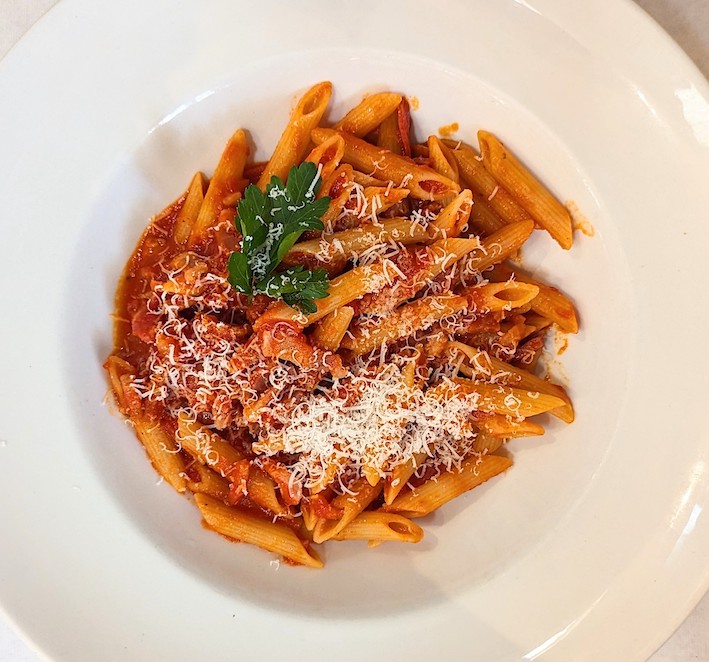
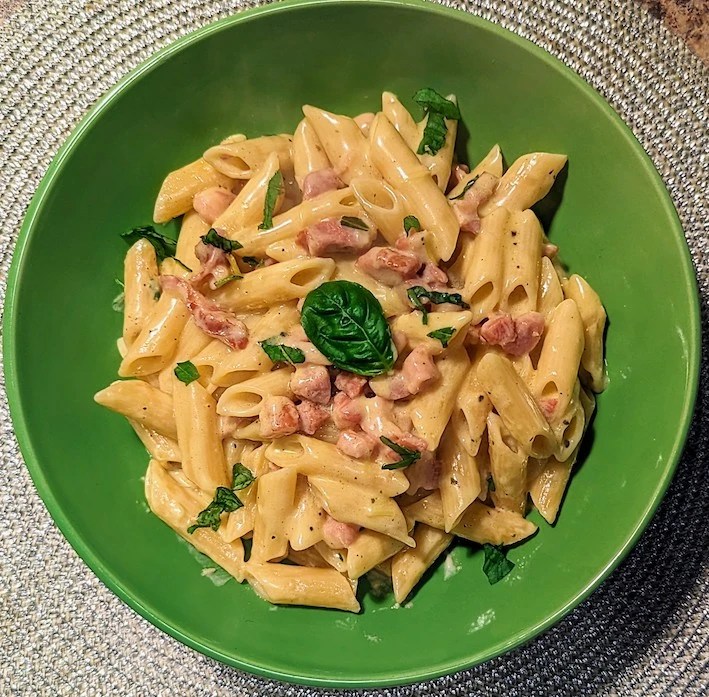
This pasta dish gets its name from the small town of Amatrice in central Italy.
Often made with Bucatini a long spaghetti shaped pasta, we have used Penne which soaks up the sauce very well.
Apparently, chef Francesco Leonardi, served this dish to the Pope Pius V11 in 1816.
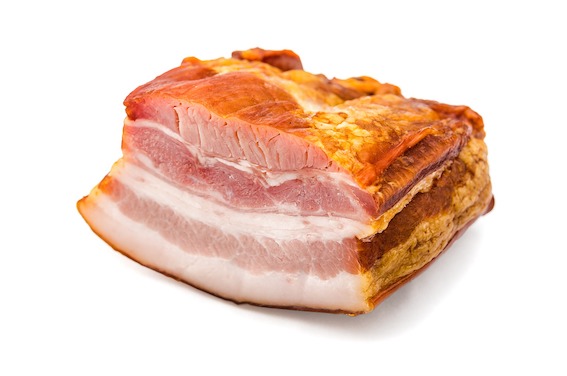
With just five main ingredients, it is quick and easy to make. If you can’t find guanciale, pancetta is just as good.
Ingredients:
2kg tomatoes, roughly chopped. Cherry or plum tomatoes are ideal
250g guanciale cut into strips, or diced pancetta
2 small red chillies
500g dried pasta
200g pecorino, grated
Make your passata. Put the tomatoes into your food processor and blend them to a fine pulp. Pressing the pulp through a sieve with a wooden spoon or spatula.
Simmer for 20-30 minutes until reduced by a third. Season with sea salt flakes and ground black pepper and add a drizzle of extra-virgin olive oil.
Put the guanciale (or pancetta) in a large heavy-based frying pan. Place it over a medium heat and the fat will melt slowly while the bacon cooks. Add the whole chillies and cook for 8-10 minutes. Stir in the passata, bring to the boil and simmer for 4-5 minutes.
Meanwhile, cook your pasta and add it to your sauce. Sprinkle with most of the cheese and stir it in well. Remove the chillies and serve in warmed bowls with more grated cheese on top and some fresh parsley to garnish.
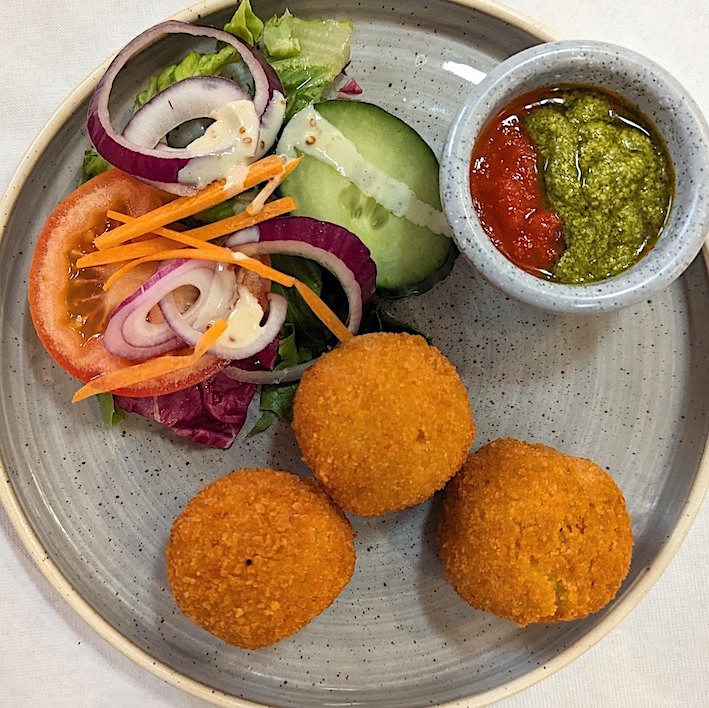
Arancini rice balls are a perfect light lunch or starter and ideal way to use up any leftover risotto. Easily prepared and cooked using a variety of fillings. Fresh herbs and petit pois are a favourite and chopped bacon or ham also goes well.
If you’re making from scratch, this is a good basic recipe:
Ingredients
For the filling:
2 tbsp olive oil
15g unsalted butter
1 onion, finely chopped
1 garlic clove, crushed
350g risotto rice
150ml dry white wine
1.2 litres hot chicken or veg stock
150g parmesan finely grated
1 lemon finely zested
150g ball mozzarella, chopped into 18 small pieces
vegetable oil, for deep-frying
For the coating:
150g plain flour
3 large eggs, lightly beaten
150g fine dried breadcrumbs (panko are ideal)
Step by step:
Heat the oil and butter in a large pan until foaming gently. Add the onion with a pinch of salt and fry gently over a low heat for 15 mins, or until softened and translucent. Add the garlic and cook for another minute.
Stir in the rice and cook for a further minute, then pour in the wine. Bring to the boil and cook until the liquid is reduced by half. Pour in half the stock and simmer, stirring continuously, until most of the liquid is absorbed. Add the remaining stock a ladleful at a time as the rice absorbs the liquid, stirring, until the rice is cooked through (approximately 20-25 mins). Stir in the parmesan and lemon and season to taste. Spread the risotto out into a lipped tray and leave to cool to room temperature.
Scoop the cooled risotto into 18 equal portions – they should be slightly larger than a golf ball. Flatten a risotto ball in your hand and put a piece of the mozzarella in the centre, then enclose the cheese in the rice and roll it into a ball. Repeat with the remaining risotto balls.
Put the flour, eggs and breadcrumbs into three separate shallow bowls. Dip each prepared risotto ball into the flour, followed by the eggs and finally the breadcrumbs. Transfer to a tray and set aside.
Half-fill a large, heavy-based saucepan with vegetable oil and heat over medium-low until it reads 170C on your cooking thermometer or until a piece of bread turns golden brown in the oil within 45 seconds. Lower the risotto balls into the oil in batches and cook for 8-10 mins, or until golden brown and melted in the centre. Set aside on a tray lined with a clean kitchen towel.
Serve warm with a salad garnish and pesto / romesco sauces for dipping.
Tips: Don’t try and fry all the arancini at once as the temperature of the oil will drop too low and affect the crispiness.
Another good recipe is Carole’s courgette fritters > Here
These courgette fritters make a great starter, side dish, or main course. You will need a mixing bowl and large frying pan.
Ingredients:
2 large courgettes
2 eggs
4 tbsp plain flour
1 tsp baking powder
15g oregano leaves finely chopped (1/2 small packet)
1 tsp cumin seeds
1 tsp chilli flakes plus extra to serve
Vegetable oil for frying
Maldon sea salt flakes and freshly ground pepper
To serve:
100g vegetarian feta cheese crumbled
Clear honey
Step by step:
Coarsely grate the courgettes into a bowl. Place them on a clean tea towel, gather up the sides of the tea towel and squeeze out the liquid from the courgettes.
Put the courgettes, eggs, flour, baking powder, oregano, cumin seeds and chilli flakes in the mixing bowl. Season well with salt and pepper and beat together.
Set your frying pan over a medium-high heat and drizzle in some vegetable oil. Spoon several neat dollops of the courgette mixture into the frying pan. Press them down to make them about 3mm to 4mm thick. Don’t overcrowd the pan and cook the pancakes in batches for approximately 1 minute until the undersides are nicely browned. Flip them over and cook until the other sides have browned.
Serve the fritters immediately topped with crumbled feta, a little drizzle of honey, a sprinkling of chilli flakes and a few leaves of basil leaves or chopped parsley.
We have been experimenting with the flavoured Maldon sea salt varieties. They make chilli, garlic and smoked flavoured flakes. You can find them in supermarkets and delicatessens. Find them and a whole load of recipes at their website Maldon Salt
2 slices stale sourdough, torn or cut into small pieces
100ml single cream
50g feta cheese
Step by step:
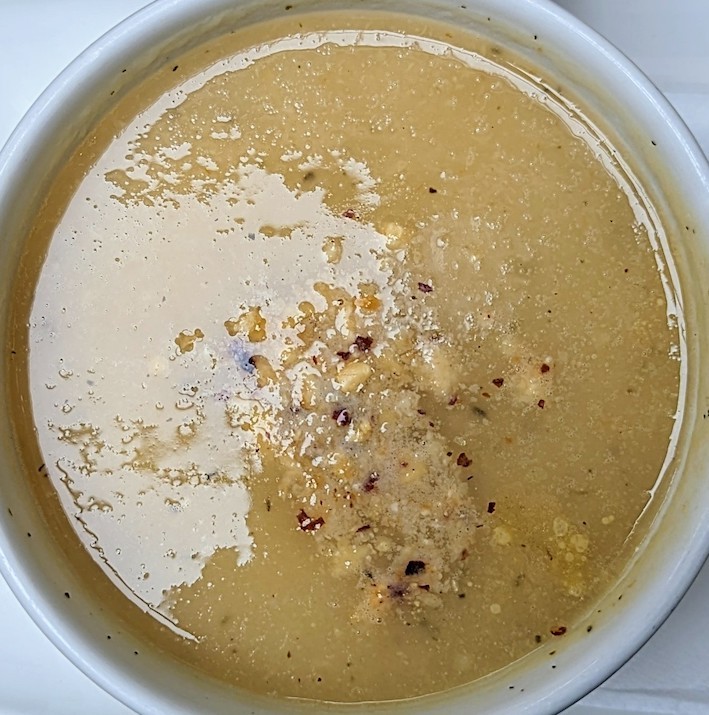
Warm the olive oil and butter in your saucepan. Add the leeks and courgettes and cook for 10 minutes. When the vegetables are nicely softened add the garlic and cook for another 2 minutes. Pour in your stock and bring to a boil.
Add your bread and spinach to the pot and simmer for 5 minutes. Use a stick blender to whizz the soup to your desired consitency. Season to taste and serve in warmed bowls with a swirl of cream and crumbled feta.
Notes:
Add mushrooms and frozen peas, chopped potatoes or leftover veg if you want a thicker soup.
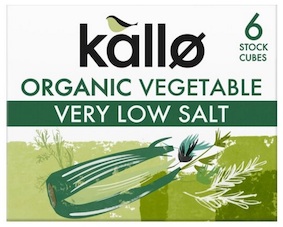
We use Kallo® organic vegetable stock cubes and a splash or two of Maggi® seasoning.
£1.50 for 8 cubes – Waitrose Special Offer
Did you know, you can buy Filippo Berio products on line. Check out their Special Offers HERE
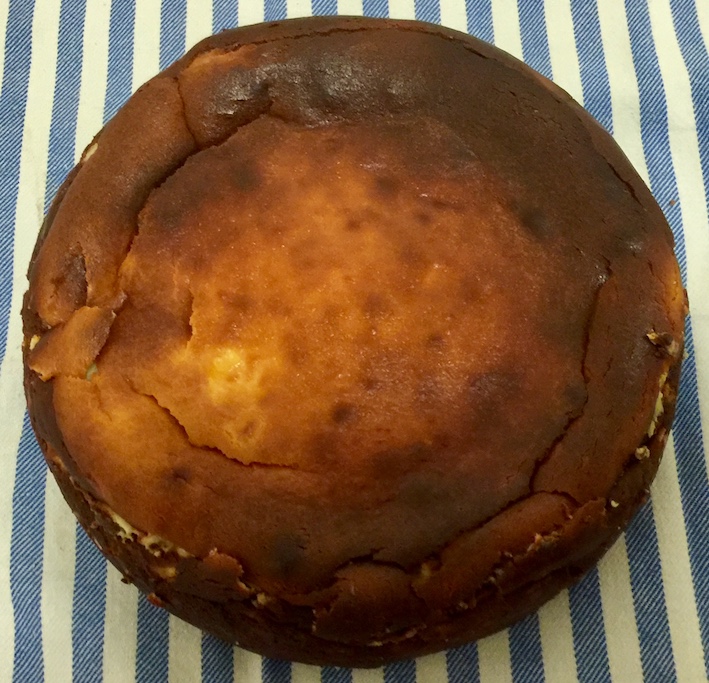
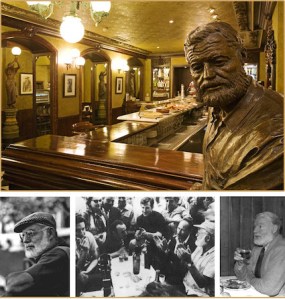
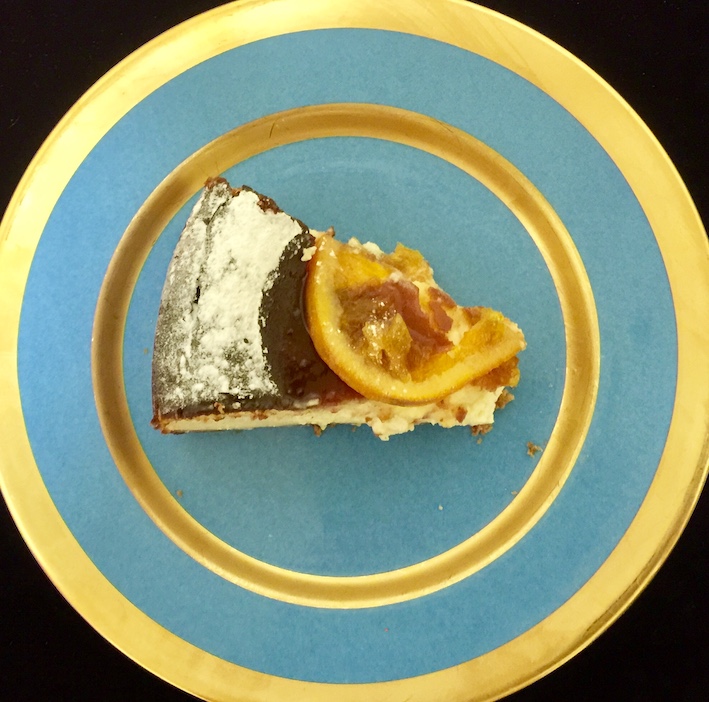
I first had this cheesecake at Café Iruña in Pamplona and the combination of the ‘almost burnt’ cream with crunchy biscuit base and caramelised boozy oranges got me hooked. Ably washed down with a glass of cava it was the perfect end to a lovely lunch.
We have recreated the cheesecake to the best of our ability here.
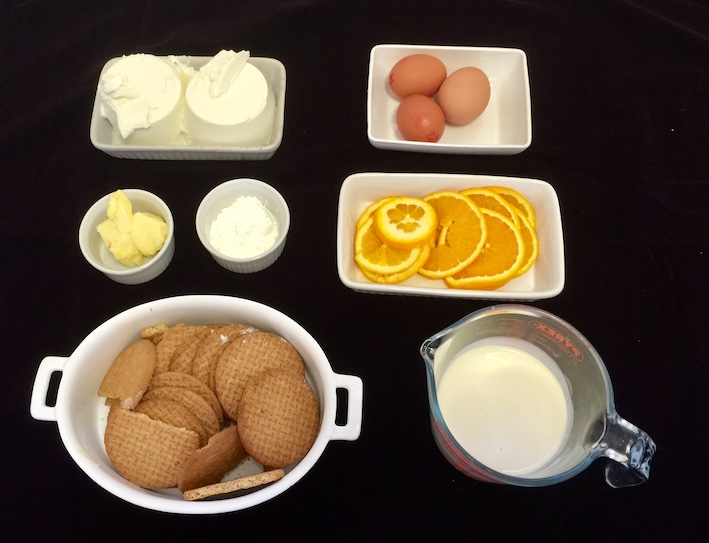
Ingredients:
Have your ingredients weighed & ready
For the base
150g digestive biscuits
75g unsalted butter
For the filling
50g unsalted butter, softened
150g caster sugar
450g full-fat soft cream cheese
25g plain flour
finely grated zest of 2 oranges plus juice of 1
3 free range eggs, separated
150ml whipping cream
For the caramelised oranges
6 oranges
2 tbsp Grand Marnier or Cointreau
200g granulated sugar
You will need an electric hand whisk and a 23cm diameter loose bottomed cake tin.
Step by step:
1. Line the base and sides of your cake tin with greaseproof paper.
2. Preheat your oven to 170 C, 150 C fan, 325 F, gas 3. Put the biscuits in a polythene bag and crush to fine crumbs.
Mix the crushed biscuits with the butter and use to line the base of the tin, pressing down firmly with the back of a spoon. Chill the biscuit base while you make the filling.
3. Place the butter, sugar, cream cheese, flour, orange zest and juice, and egg yolks in a large bowl and beat well with an electric hand whisk until smooth.
Lightly whip the cream then fold it into the mixture.
4. In a separate bowl, beat the egg whites until stiff and fold into the mixture. Pour this filling over the biscuit base and level the surface.
5. Place in the oven for 1 to 1½ hours until just set and starting to colour, turn off the oven, leave the door ajar and allow the cheesecake to cool in the oven for another hour.
Run a palette knife around the outside edge to loosen the cheesecake and cool completely on a wire rack.
6. To make the caramelised oranges, remove all the peel and pith from the oranges and slice thinly, removing any pips. Lay them in a dish and sprinkle with 2 tablespoons of Grand Marnier, Cointreau or other orange-flavoured liqueur.
Put the sugar in a heavy-bottomed saucepan with 150ml of water, place over a medium heat and allow the sugar to dissolve, swirling the pan occasionally.
Increase the heat and allow the mixture to reach a rich caramel colour, remove from the heat and carefully add a little more water until you have a thick syrup.
Place the orange slices on top of the cheesecake, pour the syrup over the oranges and allow to cool. Decorate the finished cheesecake with caster sugar.
Use candied orange peel – available from supermarkets
Place the fruit in a bowl, sprinkle over the icing sugar, lemon juice and elderflower cordial. Stir and leave to macerate for 1 hr.
Whisk the Greek yoghurt and crème fraîche together with the vanilla extract if using.
Mix the fruits and yoghurt mixture together and spoon into 6 serving dishes or glasses.
Serve topped with the almonds and some fresh fruit
Notes:
If you don’t have ripe fresh fruits, use frozen fruits from the supermarket.
Alternatively, try a passion fruit fool. Sieve the pulp of 2 passion fruits and whizz the juice with ½ a ripe mango. Mix with the yoghurt & crème fraîche mixture and spoon into the serving glasses and top with the passion fruit seeds.